


What Does SUV Stand For? The Easy Answer, and the Six Labels That Follow It
All New Vehicles
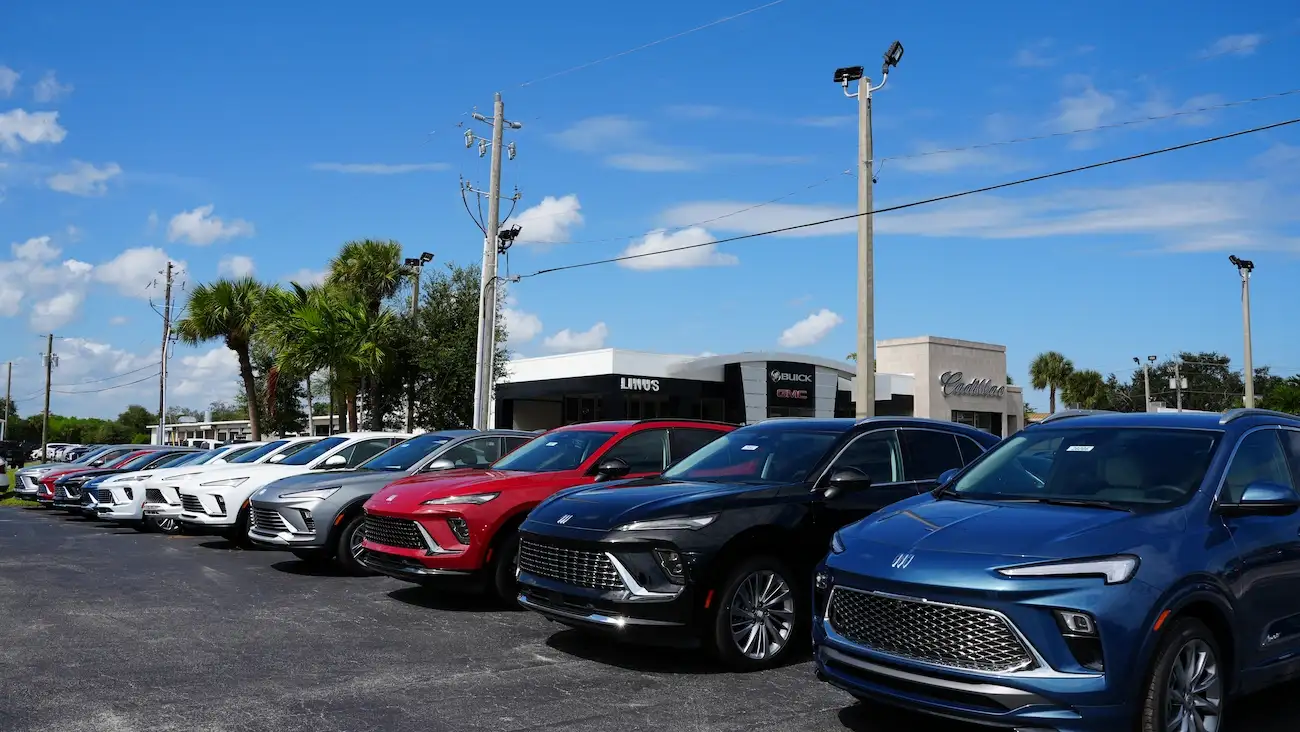
What does SUV stand for? Three words: Sport Utility Vehicle. The problem is that answering the question does not help you shop, because those three letters now cover vehicles that share almost nothing beyond a tall roofline. On our lot alone the label stretches from a five-seat compact to a three-row full-size hauler to an electric off-roader, and manufacturers stack another six size words on top of the acronym to tell them apart. Sorting those out is the part actually worth reading. Linus Buick GMC is at 1401 US-1, Vero Beach, FL 32960, and the full range sits under All Vehicles.
What Does SUV Stand For, and What Does GMC Mean by It?
Sport Utility Vehicle. GMC’s own definition is refreshingly plain: SUVs are versatile enough to offer ample passenger and cargo space, plus the ability to handle various terrains. That is the whole promise — room for people, room for things, and the confidence to leave smooth pavement. Notice what the definition does not include: a size, an engine, a drivetrain or a price. Those are exactly the variables that separate one SUV from another, which is why the acronym alone never narrows a search.
Six Labels for One Category
Read across the GMC and Buick lineups and you will meet six different size words. GMC organizes its range as Small SUV, Mid-Size SUV, Large SUV and Electric SUV. Buick adds two more of its own: it calls the Envista a Crossover SUV and the Envision a Compact SUV, while the Encore GX is a Small SUV and the Enclave a Mid-size SUV. GMC’s definitions place compact above small, so the ladder runs roughly crossover, small, compact, mid-size, then large. Six labels, one category, and no obligation on any brand to use them identically.
The Number That Actually Sorts Them: Seating
Skip the adjectives and count seats. GMC defines a small SUV as seating up to five, with cargo space that grows when you fold the second row — the 2027 Terrain is its example. A mid-size SUV, in GMC’s own words, offers up to three rows and seating for up to eight. That single distinction does more work than every marketing word combined. On the GMC side, third-row seating is limited to the 2027 Acadia, the 2026 Yukon and the 2026 Yukon XL. If you need a third row, that list is your shortlist, and everything below it is out regardless of what the badge says.
What the Size Label Still Will Not Tell You
Two SUVs in the same class can behave completely differently, so check the numbers that matter to you. Towing is the clearest example: the Terrain handles up to 1,500 pounds with the Trailering Package, while the Acadia’s Trailering Package is rated for up to 5,000 — more than three times as much, one class apart. Price spreads just as wide. Across the GMC SUV range alone, a 2027 Terrain starts at $30,400, a 2027 Acadia at $43,600, the 2026 Yukon and Yukon XL at $69,600, and the 2026 HUMMER EV SUV at $97,200. Drivetrain is its own question, since front-wheel drive and all-wheel drive are both offered depending on model and trim.
What Does SUV Stand For When You Are Actually Shopping?
Work backwards from your week rather than forwards from the category. Count the people you carry regularly, then decide whether a third row is a genuine need or an occasional one. Add what you tow, if anything. Think about where the vehicle parks, because a full-size Yukon XL and a Terrain ask very different things of a driveway in Port St. Lucie or a parking garage in Melbourne. Only then does the size label become useful — as shorthand for a decision you have already made rather than a starting point. So what does SUV stand for in practice? Sport Utility Vehicle — and that turns out to be the least informative part of the name. The size word that follows it, and the seat count behind that, are what decide whether a vehicle fits your life. We serve drivers from Vero Beach, Port St. Lucie, Melbourne and Fort Pierce, and the fastest way to settle the question is to sit in a two-row and a three-row back to back. Call our sales team at (772) 217-5049, reach service at (772) 617-4791, or send your questions through Contact and we will line up the right pair for you to compare.
Frequently Asked Questions
What does SUV stand for?
SUV stands for Sport Utility Vehicle. GMC defines them as versatile enough to offer ample passenger and cargo space, plus the ability to handle various terrains. The acronym itself does not specify a size, engine, drivetrain or price, which is why manufacturers add size labels such as small, compact, mid-size and large on top of it.
What is the difference between a small SUV and a mid-size SUV?
Seating and rows. GMC describes a small SUV as seating up to five, with extra cargo space available by folding the second-row seats — the 2027 Terrain is its example. A mid-size SUV offers up to three rows and seating for up to eight passengers. Compact SUVs sit between the two, larger than small SUVs while still seating up to five.
Which GMC SUVs have a third row?
Third-row seating is offered on the 2027 Acadia, the 2026 Yukon and the 2026 Yukon XL. The 2027 Terrain is a two-row, five-passenger vehicle. If a third row is a requirement, that shortlist is where to start — call (772) 217-5049 and our team will confirm the configuration of a specific vehicle.
Is a crossover the same thing as an SUV?
Brands use the terms alongside each other rather than interchangeably. Buick labels the Envista a Crossover SUV, the Encore GX a Small SUV, the Envision a Compact SUV and the Enclave a Mid-size SUV, while GMC organizes its lineup as Small, Mid-Size, Large and Electric SUVs. Rather than sorting the words, compare seating, cargo and towing figures directly.

0 comment(s) so far on What Does SUV Stand For? The Easy Answer, and the Six Labels That Follow It